
The Complete Guide to Structured Cabling Standards: ISO, EN, ANSI, and IEEE Explained
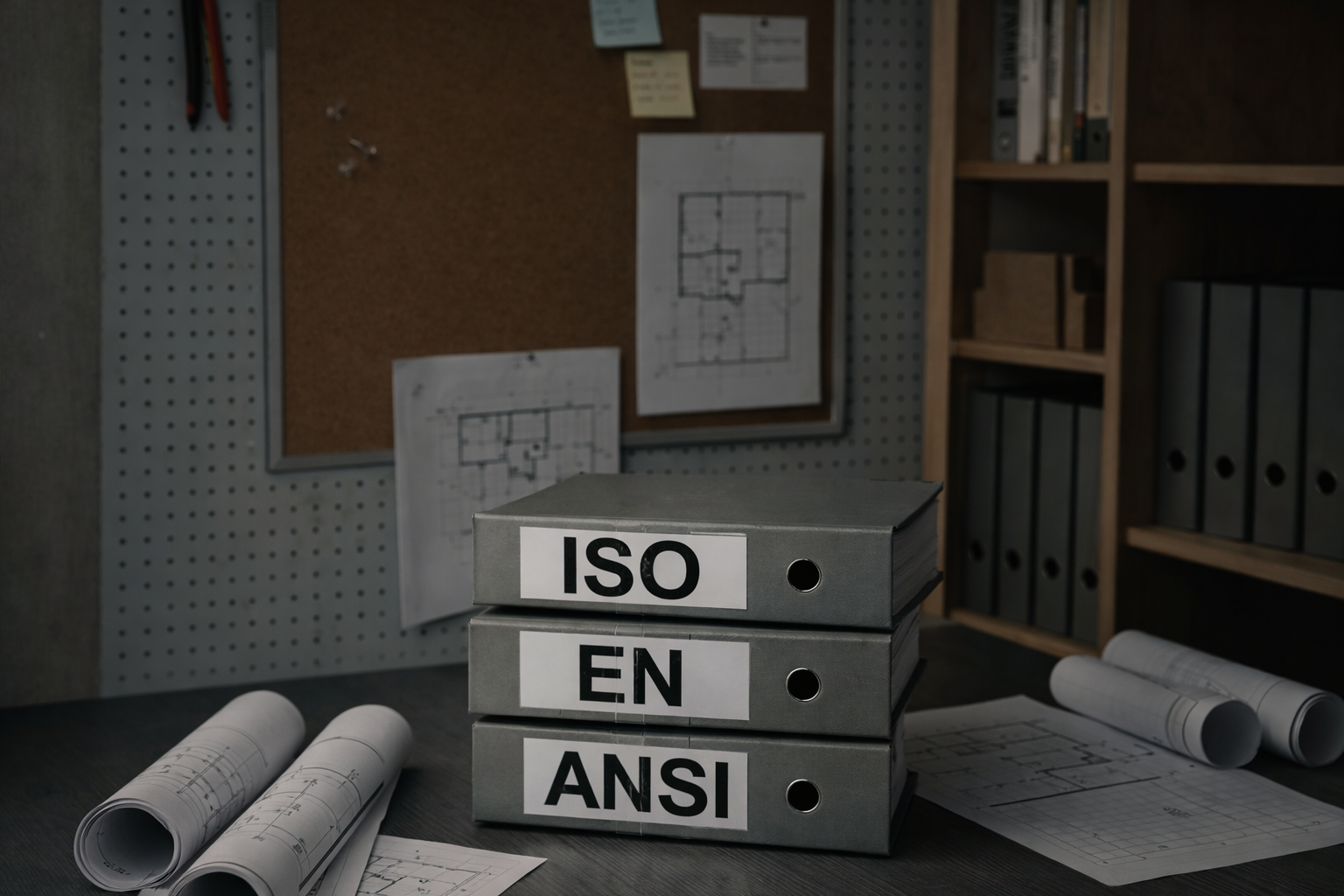
Structured cabling underpins every modern ICT environment, but the standards that govern design, installation, and testing can vary across regions and regulatory frameworks.
Because of this, referencing a single standard in isolation risks oversimplifying a system that is intentionally multi-layered.
This article provides a clear, unified overview of the major standards bodies, the families of standards they publish, and how these documents interact in real projects.
1. The Standards Bodies That Shape Structured Cabling
Structured cabling is governed by several internationally recognised organisations. Each provides documentation that defines performance, safety, installation practice, and testing requirements.
ISO and IEC (International Standards)
The ISO/IEC standards define global frameworks for generic cabling systems.
The most widely referenced document is:
- ISO/IEC 11801 - Generic cabling for customer premises
This standard covers performance classes, cabling topologies, fibre and copper parameters, and testing requirements used internationally.
EN Standards (European Norms)
European standards are developed by CENELEC and often harmonise with ISO/IEC documents while aligning with EU regulatory expectations.
Key examples include:
- EN 50173 - Generic cabling systems
- EN 50174 - Cabling installation requirements
EN standards adapt the broader ISO frameworks to European practice, especially around safety and installation environments.
ANSI/TIA Standards (North American Standards)
In North America, structured cabling is guided by ANSI and the Telecommunications Industry Association.
The most referenced documents include:
- ANSI/TIA-568 series - Balanced twisted-pair and optical fibre cabling
- TIA-569 - Pathways and spaces
- TIA-606 - Administration and labelling
- TIA-607 - Grounding and bonding
ANSI/TIA standards tend to be highly detailed and installation-focused.
IEEE Standards (Power and Data Transport, including PoE)
IEEE develops standards defining how data and electrical power are transmitted.
For PoE systems, multiple standards exist, including:
- IEEE 802.3af - PoE
- IEEE 802.3at - PoE+
- IEEE 802.3bt - Higher power, four-pair PoE
- IEEE 802.3bu - Single-pair power delivery for specialised applications
These standards define electrical characteristics and power classes but do not dictate installation practice, which is handled by ISO/EN/ANSI/TIA.
2. How These Standards Fit Together in Real Projects
In practice, no structured cabling project relies on a single authority. Most environments draw from multiple standards simultaneously:
- ISO/IEC defines global principles and performance classes.
- EN applies those principles within European regulatory frameworks.
- ANSI/TIA defines detailed installation and testing procedures often followed worldwide for best practice.
- IEEE defines how signals and power travel over copper and fibre media.
This layered structure allows infrastructure to be designed internationally, installed regionally, and maintained consistently across facility lifecycles.
3. Cabling Categories and Performance Classes
Different standards bodies use different naming conventions:
- ANSI/TIA uses “Categories”
Cat 5e, Cat 6, Cat 6A, Cat 8 - ISO/IEC and EN use “Classes”
Class D, E, EA, F, FA, I, II
Categories and Classes are simply two parallel methods of classifying the electrical performance of copper cabling.
Neither supersedes the other; they serve different regional and documentation traditions.
4. Fibre Standards Overview
Across all standards bodies, fibre classifications are aligned into:
- OM1–OM5 (multimode)
- OS1 and OS2 (single-mode)
These classes define attenuation, bandwidth distance, and suitability for specific applications such as high-speed LANs or long-distance links.
ISO, EN, and ANSI/TIA all reference these fibre classes, ensuring consistency across regions.
5. PoE Standards Require Multiple Documents, Not One
PoE is one of the areas where the feedback you received is most relevant.
There is not a single PoE standard.
There is a family of IEEE 802.3 standards, each defining power levels, current limits, and cabling considerations.
For example:
- IEEE 802.3af supports up to 15.4 W
- IEEE 802.3at supports up to 30 W
- IEEE 802.3bt supports 60 W or 90 W through four-pair power
- Additional IEEE documents define requirements for emerging applications
Installation practice for PoE is still governed by ISO/EN/ANSI/TIA standards rather than IEEE.
6. Testing and Certification Across Standards
Testing methods and requirements draw from multiple bodies:
- ISO/IEC and EN define the performance requirements for copper and fibre channels.
- ANSI/TIA often provides detailed field-testing procedures and limits.
- Manufacturers overlay warranty requirements that may exceed minimum standard thresholds.
A compliant system typically reflects all three layers:
requirements → installation practice → manufacturer warranty.
7. Why This Standards Overview Matters
A single reference point for standards helps prevent:
- Miscommunication between consultants, contractors, and clients
- Over-reliance on a single regional document
- Incorrect assumptions about PoE or fibre requirements
- Noncompliance caused by mixing frameworks incorrectly
By understanding the structure and purpose of each standards family, project teams can design, install, and certify cabling systems that perform reliably and remain adaptable to future technology demands.

At iCobus, our delivery is built on a clear understanding of these standards and how they interact across different project environments.
References
- ISO/IEC 11801: International Organization for Standardization and International Electrotechnical Commission.
- EN 50173, EN 50174: European Committee for Electrotechnical Standardization (CENELEC).
- ANSI/TIA-568, 569, 606, 607: American National Standards Institute and Telecommunications Industry Association.
- IEEE 802.3 Series: Institute of Electrical and Electronics Engineers.
- OM/OS Fibre Classifications: ISO/IEC 11801 and IEC 60793 series.