The 10 Most Common Cabling Installation Mistakes (and How to Prevent Them)
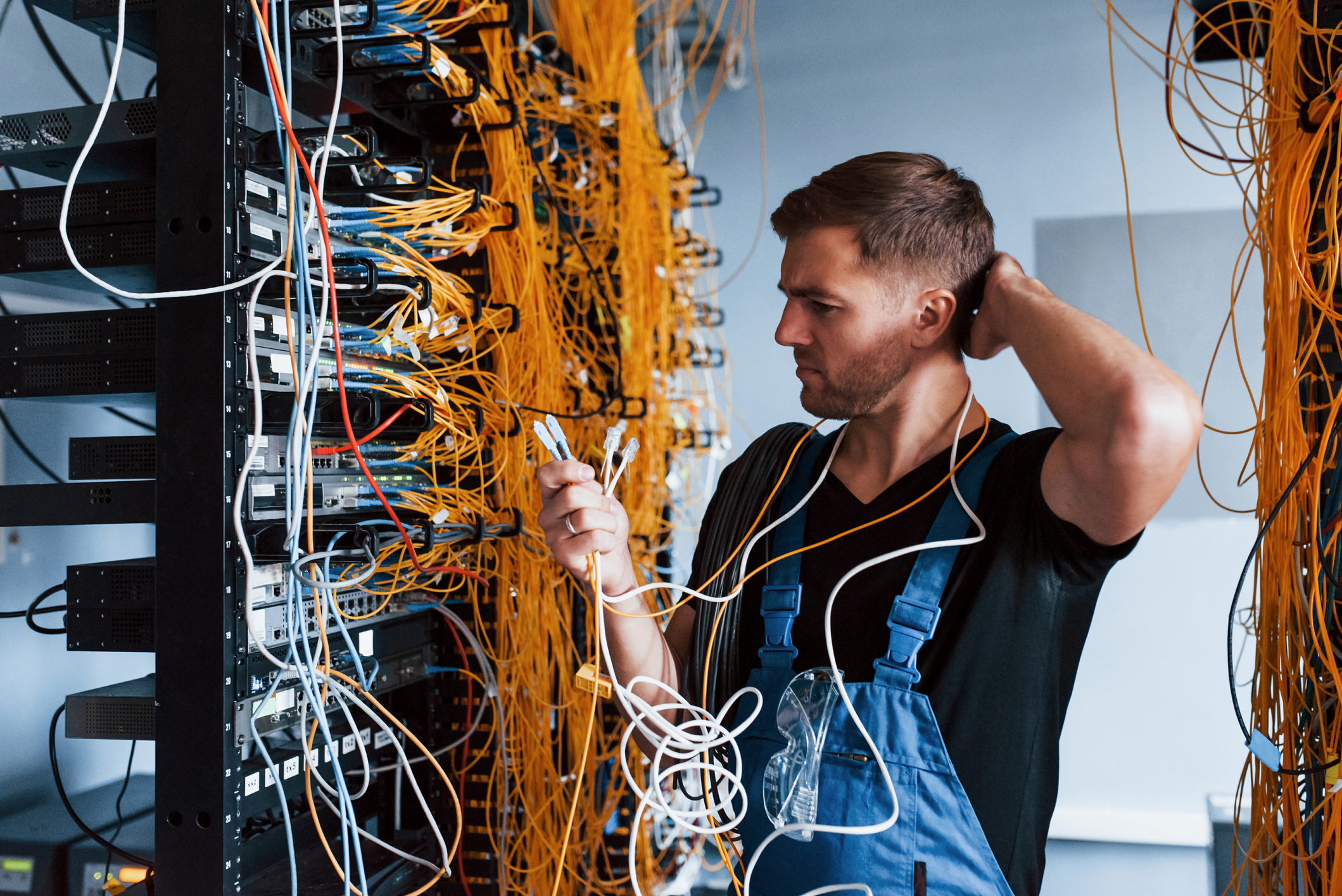
Even the best equipment cannot perform well if the cabling behind it is installed incorrectly. Small mistakes during installation can cause big performance issues later, from signal loss to network downtime.
Here are the ten most common structured cabling mistakes and how to prevent them through planning, training, and proper standards.
1. Using the wrong cable category
Choosing the right cable type is essential for long-term performance. Installing Cat5e in a system that requires Cat6a can limit bandwidth and make future upgrades more expensive. Always confirm the network speed and distance requirements before purchasing or installing cable.
2. Poor separation between power and data
Running network cables too close to electrical lines can cause electromagnetic interference. Always follow spacing guidelines and, when necessary, use shielded cables or separate containment to maintain performance.
3. Over-tight cable bends and tension
Pulling cables too hard or bending them sharply can damage the internal structure and degrade signal quality. Follow the manufacturer’s bend radius limits and use cable management to maintain neat, consistent routing.
4. Untidy or unlabelled patch panels
An unlabelled patch panel might not cause immediate problems, but it complicates maintenance and troubleshooting. Use clear, permanent labels for every port and maintain updated documentation for all cabinet layouts.
5. Skipping cable testing or certification
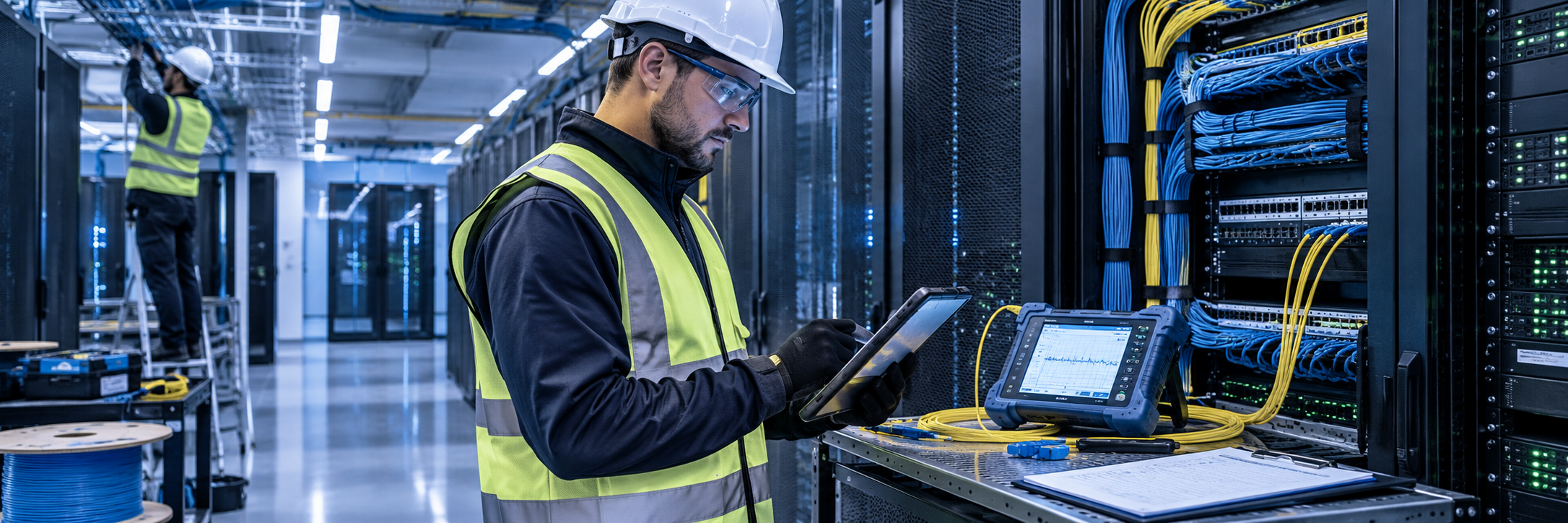
Every installed link should be tested for continuity, attenuation, and performance using calibrated testers such as Fluke. Test certificates provide assurance that each link meets specification and reduce disputes after handover.
6. Ignoring containment planning
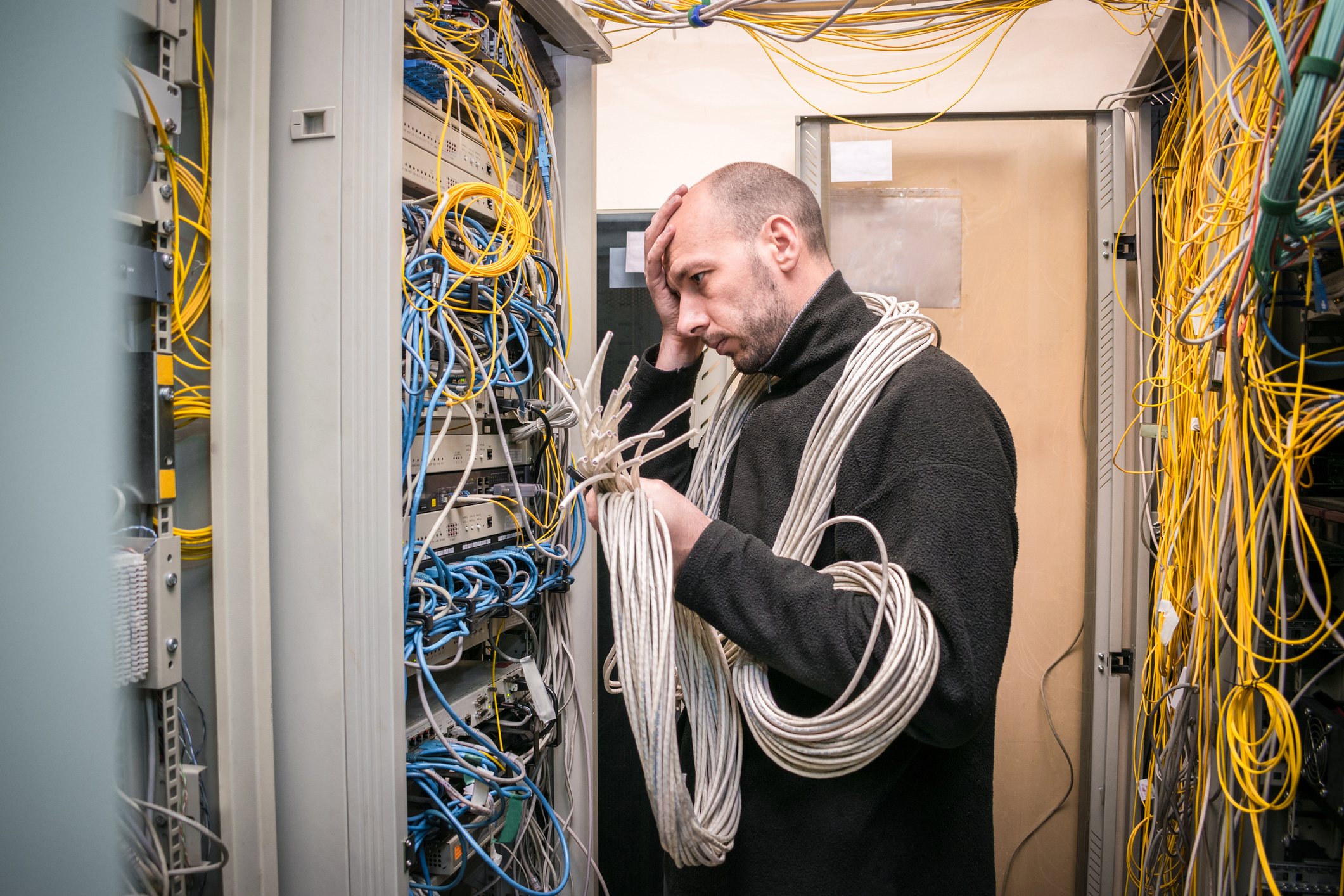
Poorly planned containment often leads to congestion, overheating, and blocked airflow. Plan containment routes early in the design phase and allow space for future capacity.
7. Mixing different cable types without planning
Combining copper and fibre, or mixing different categories of copper, can create inconsistent performance and testing results. Always document transitions and ensure patching equipment supports the intended mix.
8. Failing to maintain bend radius in patch leads
Patch leads are often overlooked, yet sharp bends near connectors can lead to signal degradation. Use Velcro ties instead of plastic cable ties to avoid crushing or deforming cables.
9. Poor grounding or bonding
Improper grounding increases the risk of interference and safety issues. Confirm that racks, patch panels, and metallic containment are correctly bonded according to BS EN standards.
10. Incomplete documentation and handover
Without test results, cable schedules, and layout drawings, future maintenance becomes costly and inefficient. Always insist on complete handover documentation from your cabling provider.
Avoiding these mistakes does not require expensive tools or complex systems, just consistent attention to standards, workmanship, and verification. Quality cabling installation is the foundation of every reliable network, and it starts with getting the basics right.
Contact us today to request a tailored quote for your site.