
Structured Cabling Standards Explained (ISO/IEC, EN, TIA)

A reliable ICT network starts with structured cabling. But with multiple international standards — ISO/IEC, EN, and TIA — it can be confusing to know which apply to your project.
This guide breaks down the main standards, explains why they matter, and shows how following them ensures your cabling system is compliant, future-proof, and high performing.
Why Cabling Standards Matter
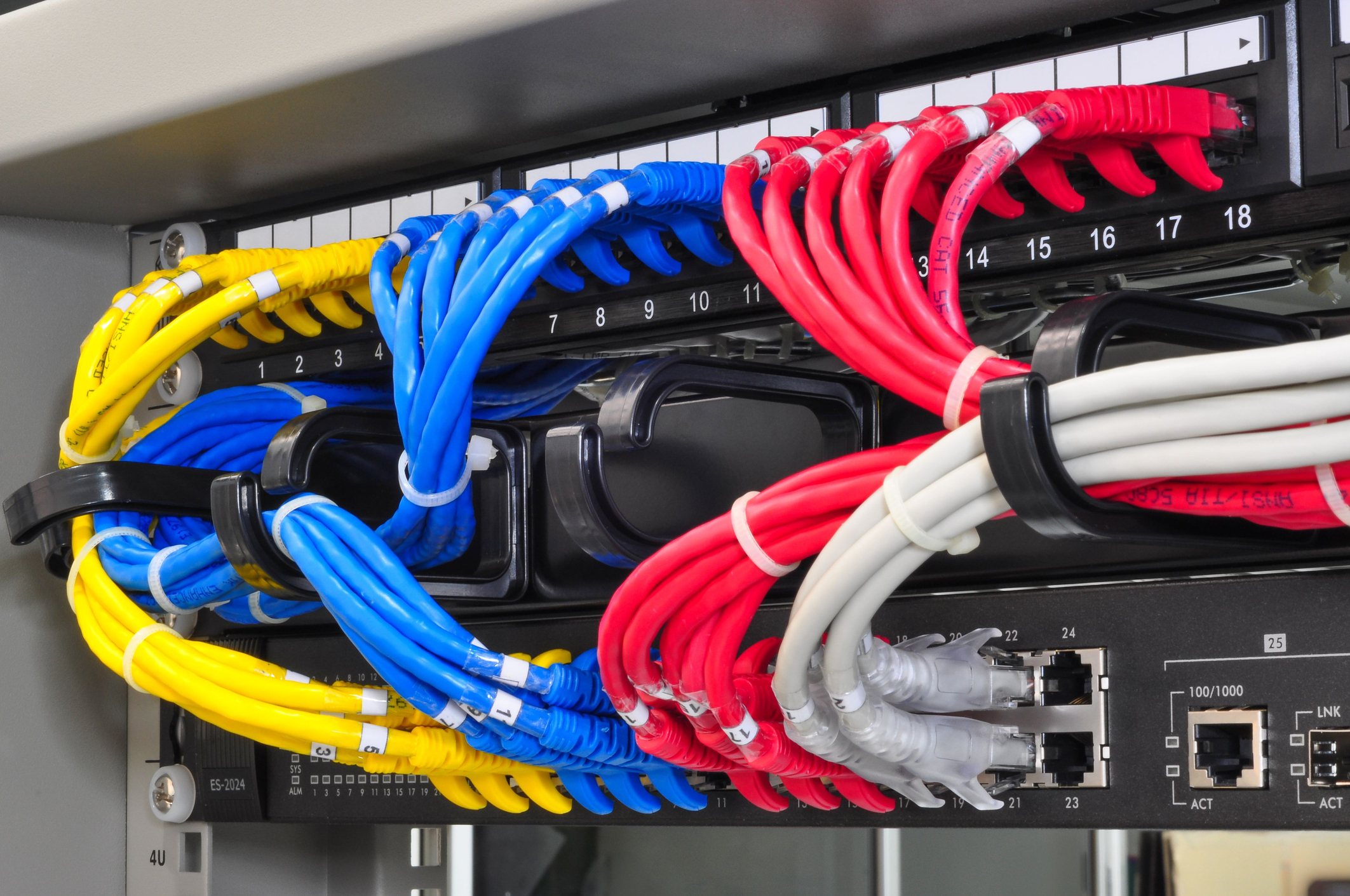
Structured cabling is more than just cables and connectors — it’s a framework of design rules, performance benchmarks, and compliance checks.
Standards exist to:
- Ensure interoperability across manufacturers and systems
- Guarantee performance levels (bandwidth, crosstalk, latency)
- Support future technologies (IoT, AI, new device types)
- Protect your investment with longer lifecycle and warranties
As we often stress to clients, working to standards is what allows installations to be certified and backed by manufacturer warranties.
The Main Standards Explained

1. ISO/IEC 11801
- A global standard for structured cabling.
- Defines requirements for copper and fibre optic cabling across offices, data centres, and industrial sites.
- Covers categories (Cat5e, Cat6, Cat6a, etc.) and performance levels.
2. EN 50173 (European Standard)
- The European adoption of ISO/IEC 11801.
- Applies to UK and EU projects.
- Ensures compliance with EU regulations and interoperability across European markets.
3. TIA/EIA 568 (North American Standard)
- The US standard, but widely referenced worldwide.
- Covers cable categories, pathways, connectors, and installation practices.
- Often used as a benchmark in multi-national rollouts.
How Standards Affect Your Cabling Choices

- Cable Category
- Cat5e, Cat6, Cat6a: each defined by performance levels in standards.
- For new installs, best practice is to choose Cat6a or fibre for future-proofing.
- Cat5e, Cat6, Cat6a: each defined by performance levels in standards.
- Performance Testing
- Standards require links to be tested (Fluke/OTDR for fibre).
- We always deliver certified results so systems meet these requirements.
- Standards require links to be tested (Fluke/OTDR for fibre).
- Documentation & Labelling
- Proper labelling, patching schedules, and as-built drawings are part of compliance.
- This also saves cost in long-term maintenance and troubleshooting.
- Proper labelling, patching schedules, and as-built drawings are part of compliance.
- Warranties & Compliance
- Only standards-compliant installs qualify for manufacturer-backed warranties.
- This protects your infrastructure investment for 15–25 years.
- Only standards-compliant installs qualify for manufacturer-backed warranties.
Benefits of Standards-Compliant Cabling
- Future-Proofing → ready for next-gen devices and bandwidth.
- Scalability → adding devices and users without major redesigns.
- Reliability → fewer failures, downtime, and troubleshooting.
- Compliance → meeting building codes, safety, and warranty requirements.
FAQs on Structured Cabling Standards
Q: Do I need to know all three standards?
If your business operates in the UK, EN 50173 is your baseline, aligned with ISO/IEC 11801. If you work internationally, TIA/EIA 568 may also apply.
Q: Which standard should I follow for my office?
Most UK projects follow EN 50173, but we ensure compliance with both European and international benchmarks.
Q: What happens if my installation doesn’t follow standards?
You risk poor performance, lack of warranty coverage, and higher long-term costs.
Structured cabling standards like ISO/IEC, EN, and TIA may seem technical, but they exist to protect your investment and guarantee performance.
We design and install standards-compliant structured cabling systems, delivering Fluke-tested results and manufacturer-backed warranties. Get in touch today to discuss your project.