
Structured Cabling FAQs: Answers to the Most Common ICT Questions

If you are planning an ICT upgrade or new installation, you have probably come across a range of technical terms and industry jargon. This guide collects the most common structured cabling questions our clients ask and explains them clearly so you can plan with confidence.
1. What is structured cabling?
Structured cabling is the organised system of cables, patch panels, and hardware that connects all devices in a building or network. It supports everything from computers and Wi-Fi access points, to CCTV and VoIP systems.
2. Why is structured cabling important?
A well-designed cabling system improves performance, simplifies maintenance, and reduces long-term costs. It allows your business to scale without constant rewiring or downtime.
3. What are the main types of network cables?

The most common are:
- Cat5e – entry-level option for small offices or legacy systems
- Cat6 – standard for modern networks up to 1 Gbps
- Cat6a – supports up to 10 Gbps and ideal for data-heavy environments
- Fibre optic – used for long distances and high-bandwidth applications such as data centres or core network links
4. What standards should my cabling comply with?
Look for compliance with ISO/IEC 11801, EN 50173, and TIA-568. These international standards ensure your network meets performance, safety, and interoperability requirements.
5. How long does a structured cabling installation take?
Project duration depends on size and site conditions. A small office fit-out may take one to two days, while a large-scale data centre installation could take several weeks including design, containment, and testing.
6. How do I know if I need to upgrade my current cabling?
If you experience frequent network drops, slow transfer speeds, or you are adding high-bandwidth devices, an upgrade may be due. Systems support different types of technologies.
7. What is the difference between copper and fibre cabling?
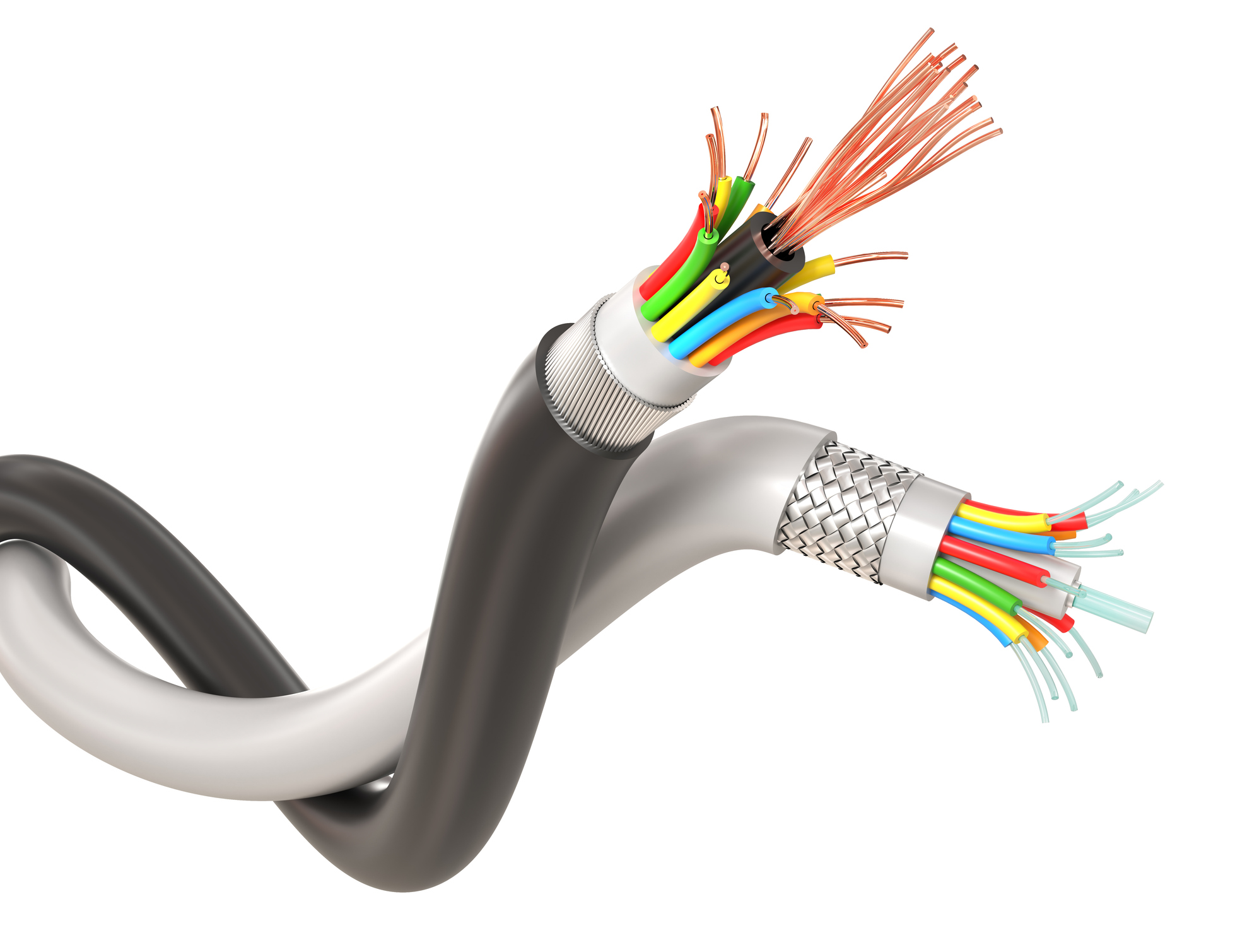
Copper cables (Cat5e, Cat6, Cat6a) use electrical signals and are best for short to medium distances. Fibre uses light to transmit data and can carry more information over longer distances with less interference.
8. What is Power over Ethernet (PoE)?
PoE allows both power and data to run through a single Ethernet cable. It is commonly used for cameras, access points, and smart building devices, reducing the need for separate power cables.
9. How often should cabling be tested or re-certified?
Testing should always be carried out after installation. Re-certification every three to five years ensures ongoing performance and helps identify wear, corrosion, or accidental damage.
10. What should I look for in a cabling contractor?
Choose installers with ECS or CSCS accreditation, experience in structured cabling, and strong references. Ensure they provide full test results, documentation, and ongoing support options.
Understanding these core cabling questions helps you make informed choices about materials, standards, and suppliers. A reliable network starts with the right design and the right partner.

Contact us today to request a tailored quote for your site.