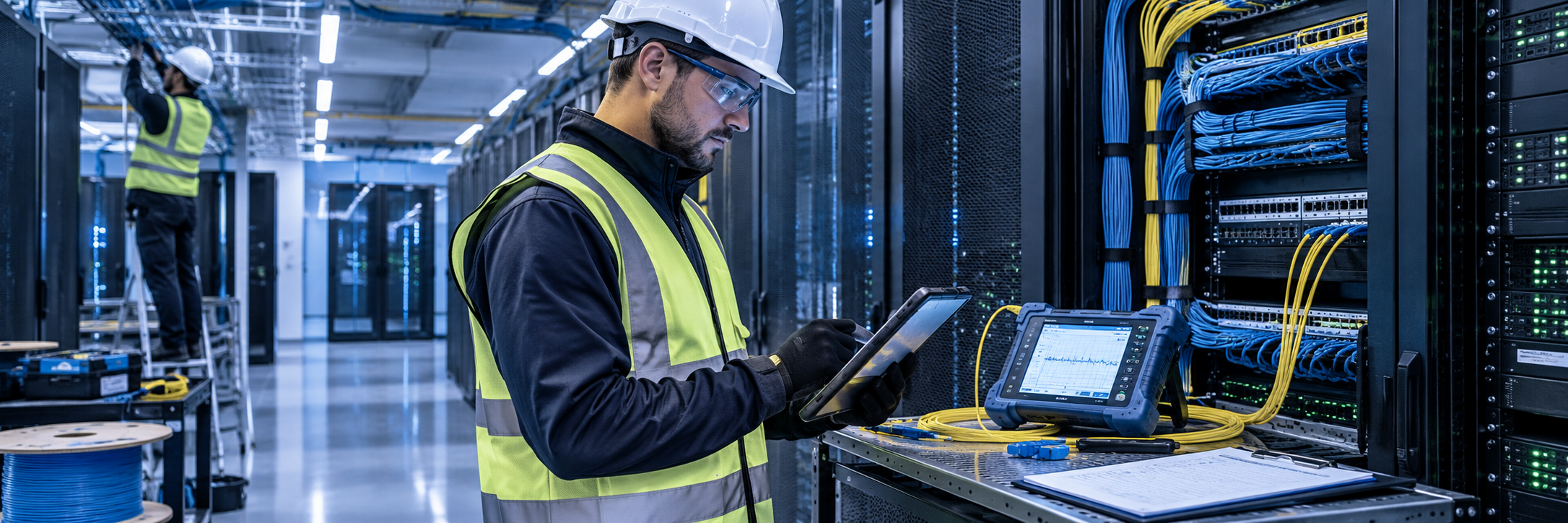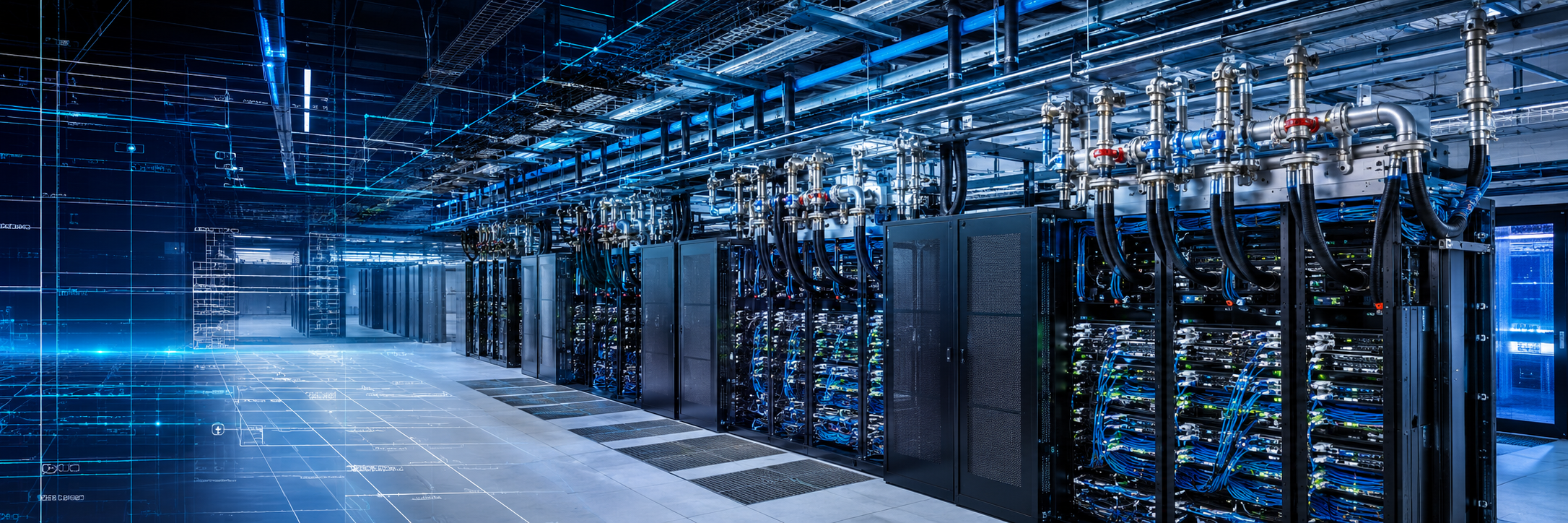
From Legacy to Leading Edge: Evolving Network Foundations for a Connected Future

Every network tells a story. Some were built when Cat5e was the top standard. Others now run Cat6a or fibre to support growing data demands. Each reflects the technology of its time, and together they show how network infrastructure continually adapts to new ways of working.
Upgrading today is not about replacing what came before. It is about extending, reinforcing, and preparing your infrastructure to support what comes next.
1. The foundations still matter
Legacy cabling systems remain the backbone of many reliable networks across offices, campuses, and industrial sites. When properly maintained and tested, Cat5e and Cat6 systems can still deliver strong performance for voice, data, and IoT devices. The focus for most businesses is not full replacement, but finding the balance between existing capability and future growth.
2. The data load is growing faster than ever
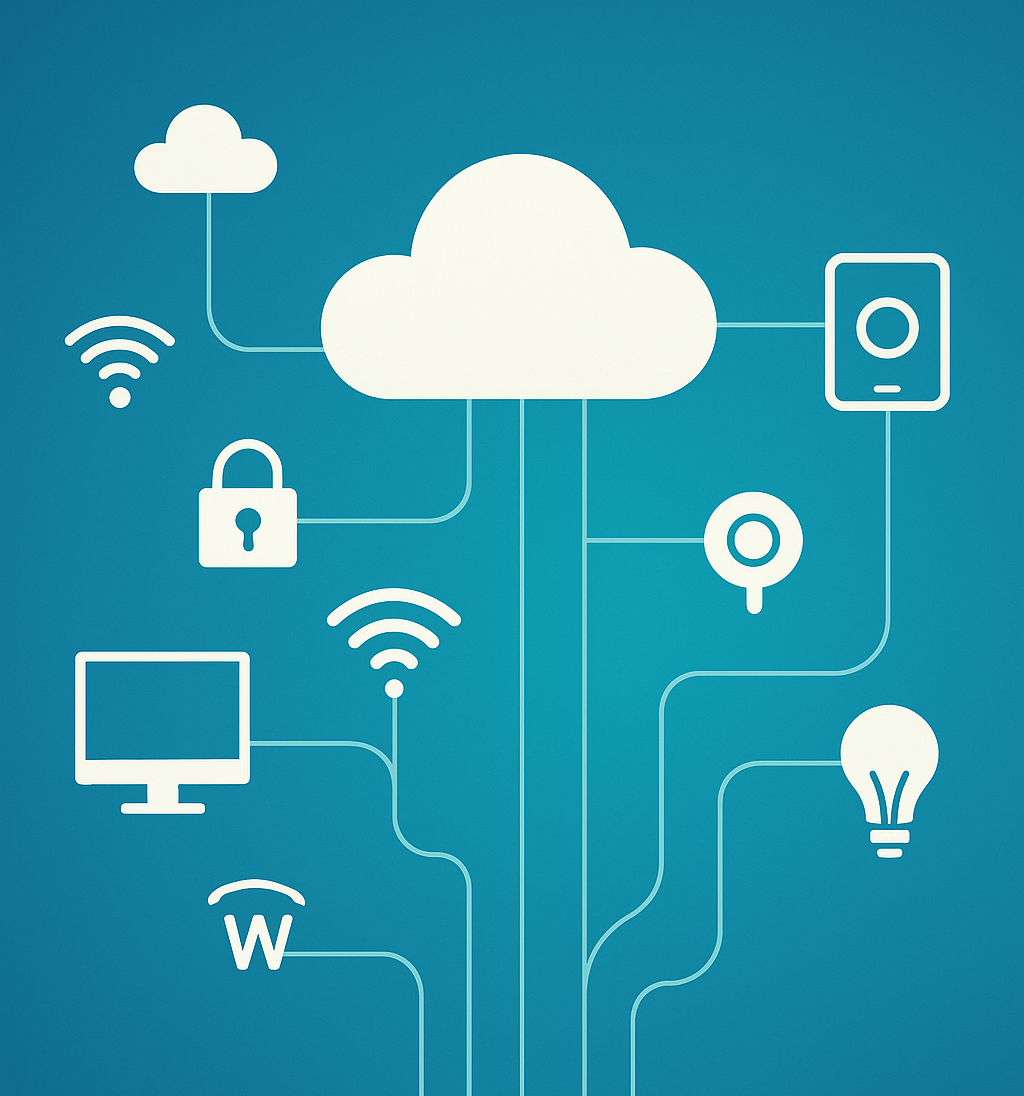
The number of connected devices, cloud applications, and high-resolution systems has multiplied. Modern cabling standards such as Cat6a and OM4 fibre are being introduced not only for faster speeds, but also for stability under heavier traffic and power requirements. Many networks now blend copper and fibre to achieve both reach and efficiency.
3. Upgrades are becoming more strategic
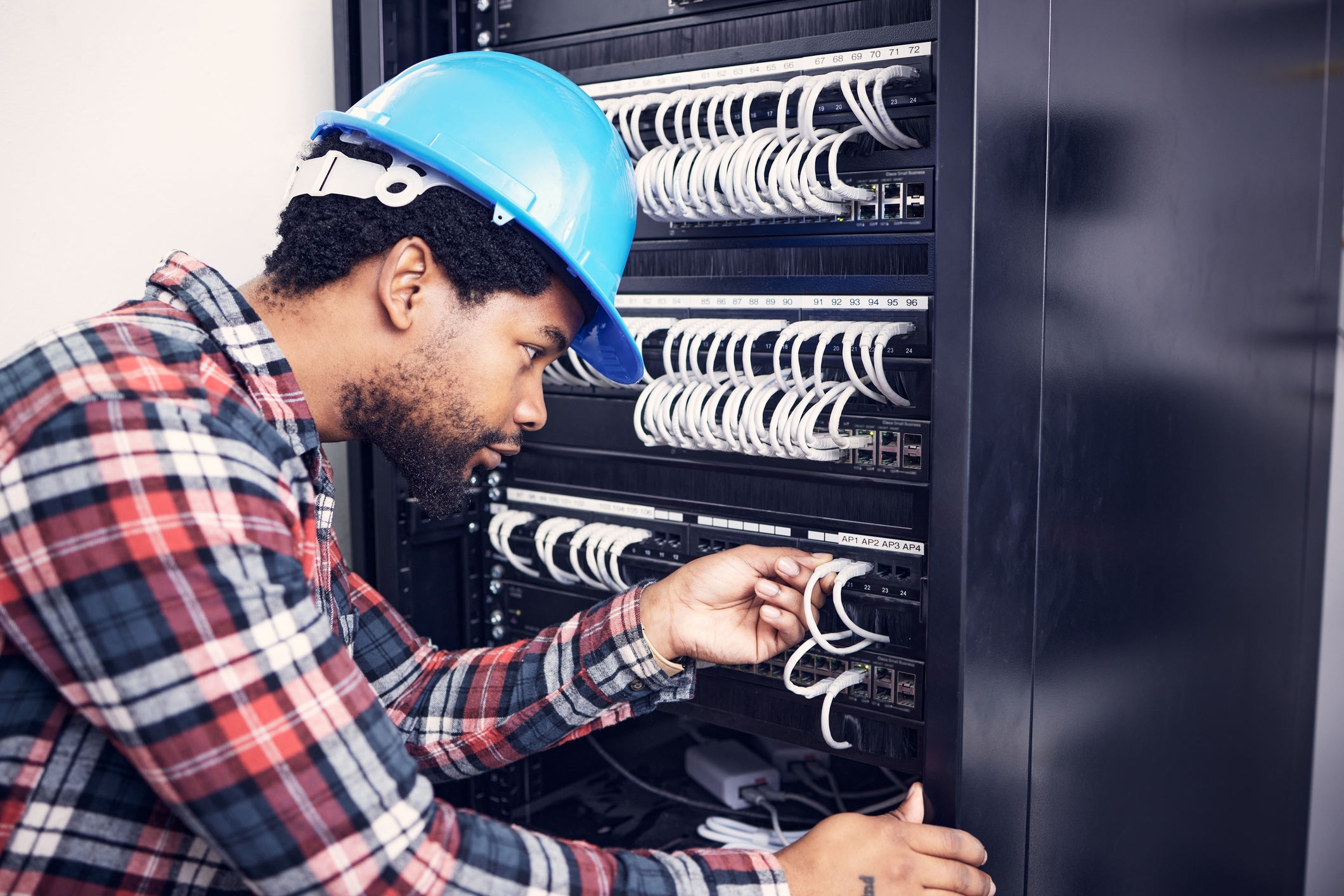
Full-scale cabling replacement is rarely necessary. Most organisations are adopting a phased approach, upgrading critical links, improving backbone connections, and adding higher-grade terminations in key areas. This targeted strategy reduces downtime and cost while improving performance where it matters most.
4. Power delivery is changing how systems are designed

Power over Ethernet (PoE) is now used to run everything from lighting and security systems to access points and digital displays. This requires cabling that can safely carry both data and power without overheating. New installations often include mixed cable types rated for higher power classes, while older runs can remain in place for lighter loads.
5. Fibre is extending the limits of copper
Fibre is no longer used only for large data centres. It is becoming common in office buildings, education facilities, and multi-floor environments where longer runs are needed. Fibre backbones paired with copper horizontal links allow networks to scale seamlessly without disruption to end users.
6. Standards and certification continue to evolve

ISO/IEC 11801 and EN 50173 updates ensure that both old and new systems can interoperate. Following these standards when designing or upgrading a network maintains compatibility, simplifies testing, and provides assurance that performance targets will be met.
7. Sustainability is influencing upgrade decisions
Modernisation is no longer only about speed. Reusing existing containment, racks, and patch panels reduces waste and project costs. Sustainable cabling choices such as low-smoke, halogen-free (LSZH) materials are becoming standard across public and commercial projects.
The best networks are not built from scratch each decade. They evolve. Businesses that plan upgrades around growth, compatibility, and energy efficiency gain long-term reliability without unnecessary disruption. Whether your next step involves fibre integration, higher-category copper, or improved containment, the goal remains the same: building a foundation that supports connection today and tomorrow.

Get in touch today to discuss your next project.