Difference Between Cat5e, Cat6 & Cat6a (2025 Update)

When it comes to building a reliable ICT infrastructure, the type of cabling you choose matters. In 2025, most UK businesses upgrading their networks still face a common question: should we stick with Cat5e, move to Cat6, or future-proof with Cat6a?
Each standard has its strengths, costs, and use cases. This guide will break down the differences between Cat5e, Cat6, and Cat6a, explain where each is most suitable, and help you decide the right cabling for your next project.
What Is Cat5e?
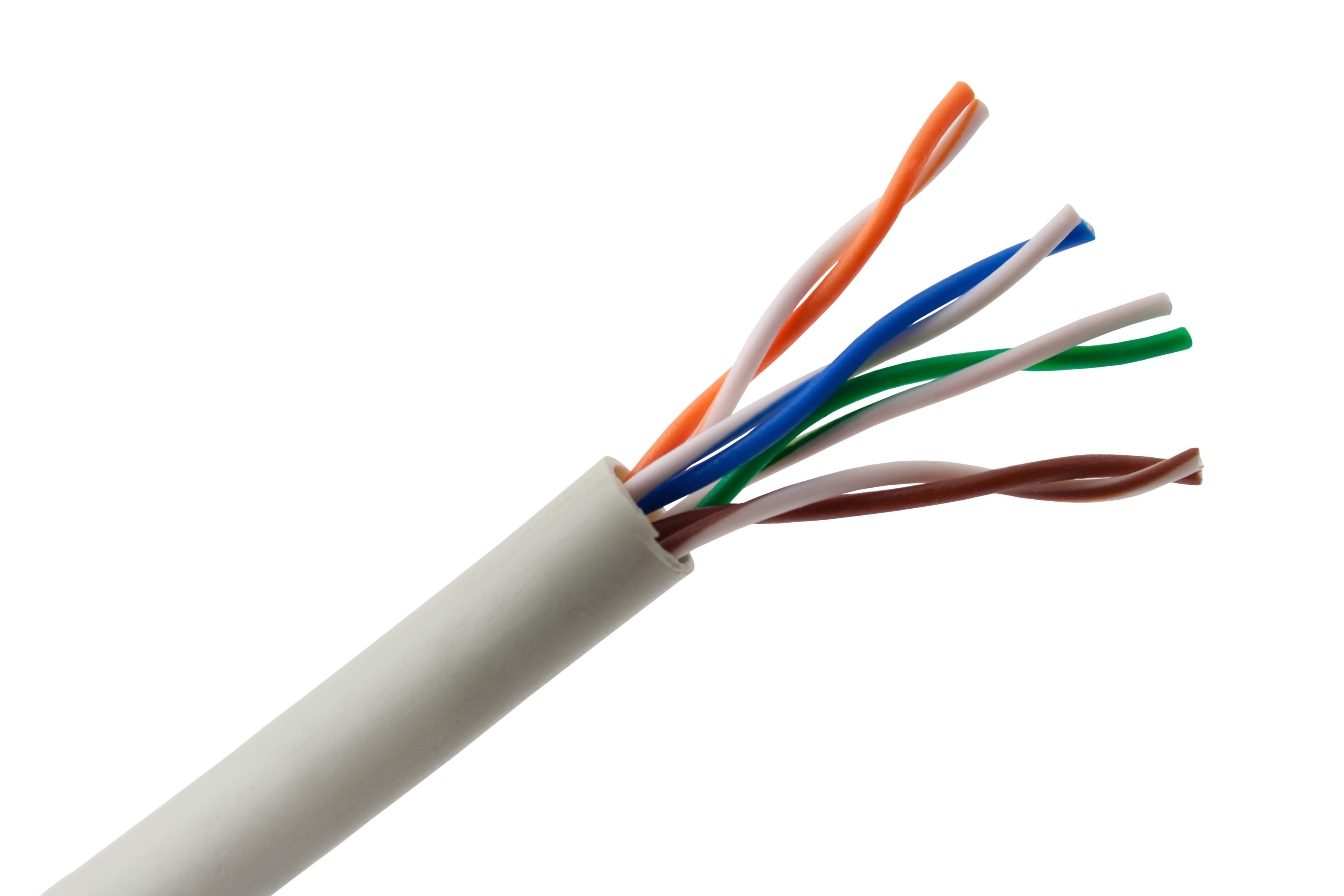
Cat5e (“enhanced Category 5”) has been the most widely installed cable type for the past two decades.
- Bandwidth: typically specified at up to 100 MHz in industry standards
- Speeds supported: up to 1 Gbps (Gigabit Ethernet)
- Maximum distance: 100 metres
- Typical use: small businesses, residential installs, legacy networks
While Cat5e is cost-effective, in 2025 it is no longer considered future-ready, especially as most businesses demand speeds beyond 1 Gbps.
What Is Cat6?
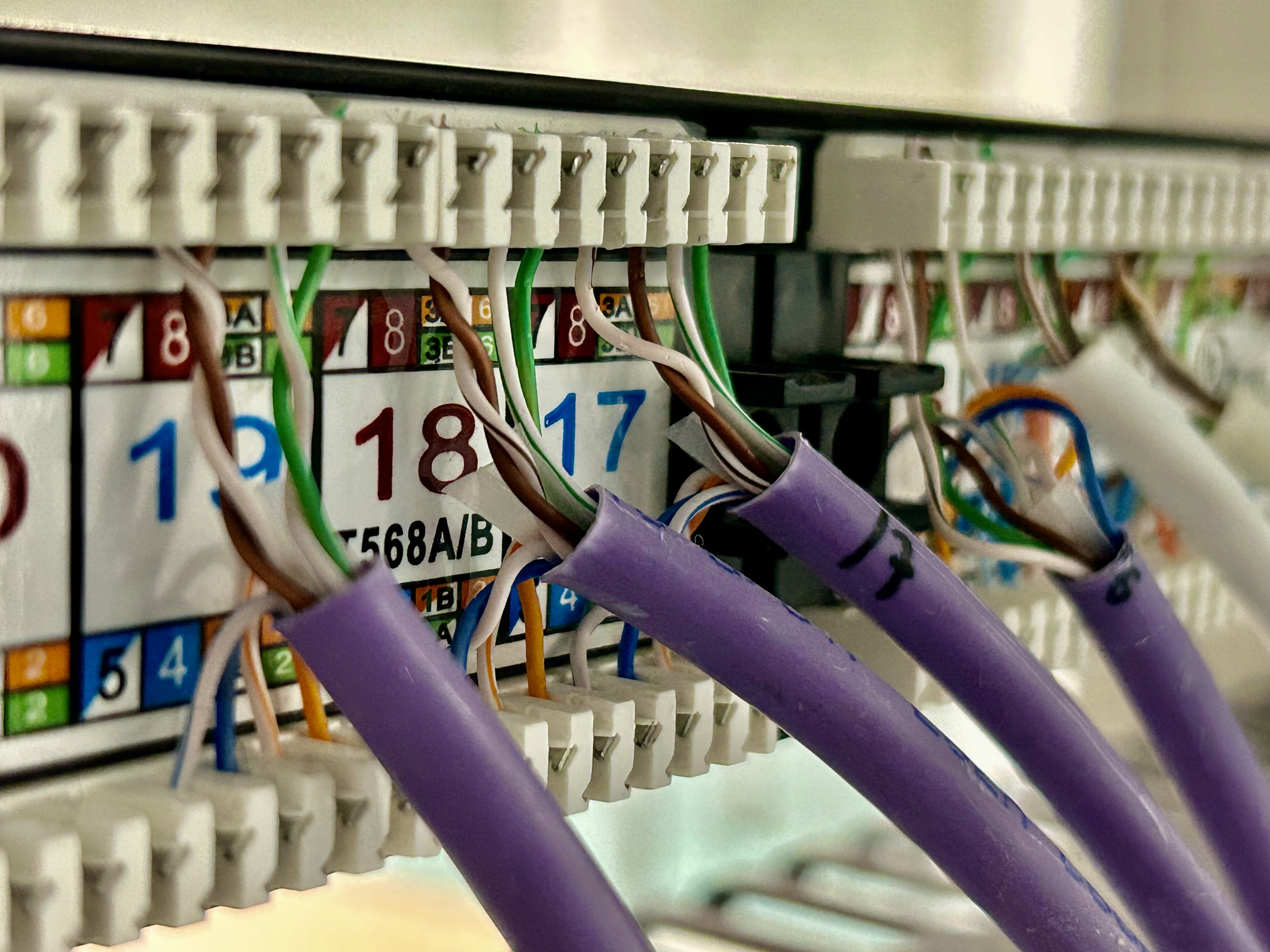
Cat6 cabling was introduced to support faster transmission and reduce interference.
- Bandwidth: typically specified at up to 250 MHz
- Speeds supported: up to 10 Gbps (limited to ~55 metres, per industry standards)
- Maximum distance: 100 metres at 1 Gbps
- Typical use: modern offices, schools, retail networks
Cat6 offers a balance between cost and performance, but its distance limitations at 10 Gbps mean it’s not always the best long-term choice for high-performance environments.
What Is Cat6a?
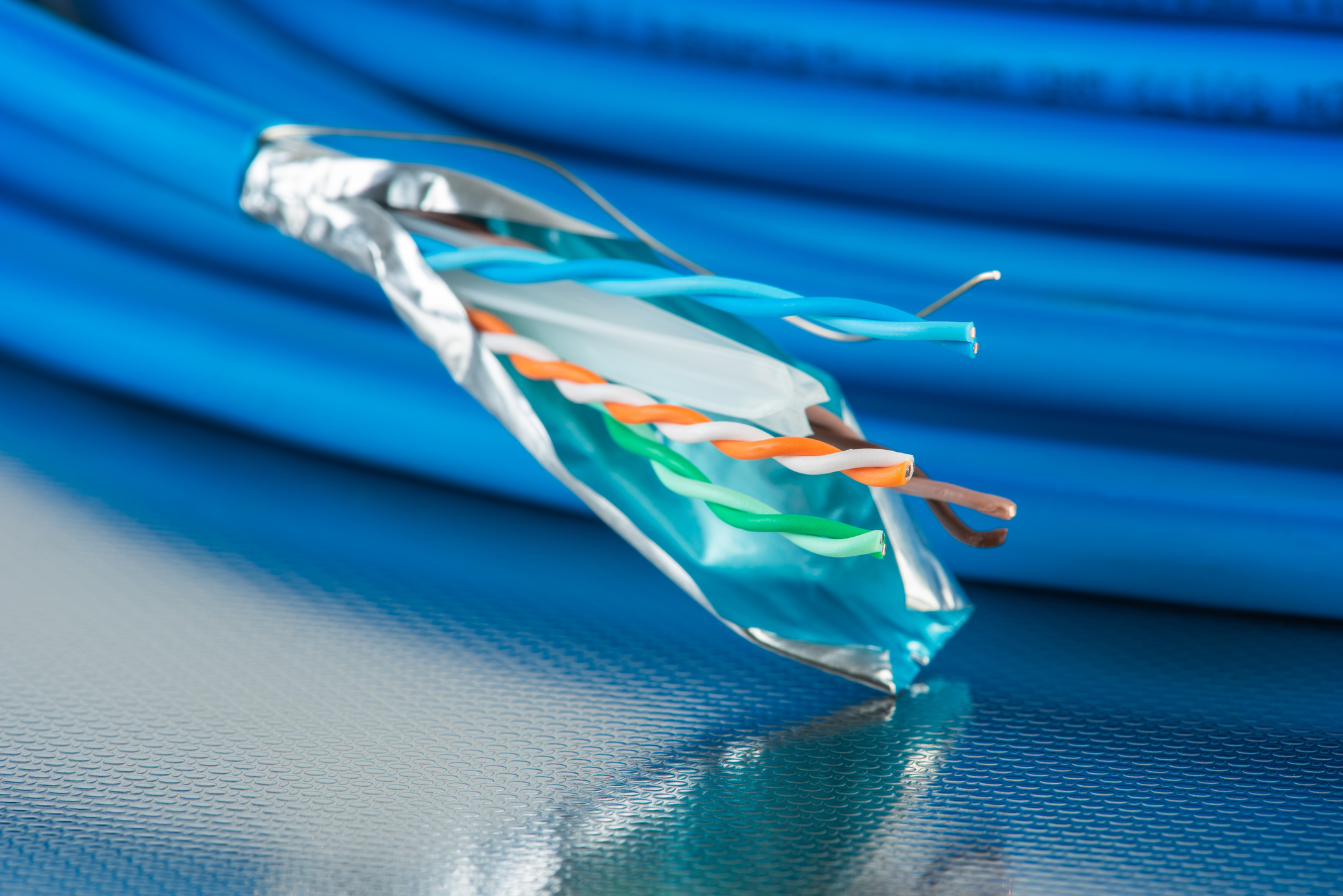
Cat6a (“augmented Category 6”) builds on Cat6 to deliver higher performance and better shielding.
- Bandwidth: typically specified at up to 500 MHz
- Speeds supported: 10 Gbps up to 100 metres (per industry standards)
- Shielding: improved to reduce crosstalk and interference
- Typical use: data centres, enterprise networks, environments using PoE/PoE+ devices
Cat6a is the preferred option for new structured cabling installs in 2025, especially for businesses aiming to future-proof their infrastructure.
Cat5e vs Cat6 vs Cat6a: Quick Comparison
Which Cable Should You Choose in 2025?
- Choose Cat5e if you’re maintaining an existing small network with limited performance needs.
- Choose Cat6 if you want a step up from Cat5e and are working within a budget, but don’t need 10 Gbps across full 100m runs.
- Choose Cat6a if you want true future-proofing, are supporting bandwidth-heavy apps, or running multi-site enterprise installations.
Common Questions (FAQs)
Q: Is Cat5e still good in 2025?
It works for basic Gigabit networks, but it’s considered outdated for new installations.
Q: Can Cat6 support 10 Gbps?
According to industry standards, yes—but only up to around 55 metres. Beyond that, performance drops.
Q: Why is Cat6a recommended for future installs?
Industry standards specify that Cat6a guarantees 10 Gbps at 100 metres, supports modern PoE devices, and reduces interference in high-density environments.
The cabling standard you choose will directly impact the performance and scalability of your ICT infrastructure. While Cat5e still has a place in legacy systems, Cat6a is now the industry standard for new builds and upgrades in 2025.
If you’re planning an upgrade or large-scale rollout, iCobus can support you with structured cabling design, installation, and end-to-end ICT project delivery across the UK and Europe.